I love October. In
September, we hope for relief from the blazing summer heat, but in October, there is a
noticeable drop in temperature. It's the month when we start watching for an
early frost, and it's the month when the leaves begin to change color. (For my
October fall color photos,
click here.) It's the month when all our homestead critters are frisky and full of
antics. Kitchen and garden projects have slowed down so there's time to enjoy
the changes. Most of my cooking is done in the house now, rather than my back porch summer kitchen. October is when we
light our first woodstove fire of the season and the first of the canned
summer goodness is opened and consumed. The only downside to October, is
that it's typically a dry month for us.
Rainfall
- 12th: 0.05"
- 26th: 0.125"
- 31st: 1.375"
- Total: 1.55 inches
Temperature
- nighttime range: 31-63°F (-0.5-17°C)
- daytime range: 58-80°F (14-27°C)
First Frost
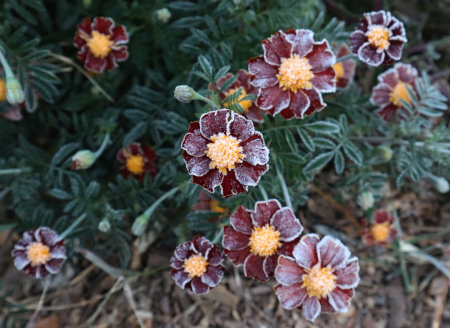
We had scattered frost on the morning of the 18th, and a blanketing frost on the 19th. So the summer garden is officially done.
|
|
Marigolds sporting our first frost.
|
Planting & Growing
The
fall garden is planted, but it's been dry, so it's not growing well. I've been watering some of my
seedlings, but chickens got into the garden and scratched up quite a few beds. Anything that survived all that may have a chance! How long it lasts will depend on how cold or mild it is this winter.
Harvesting
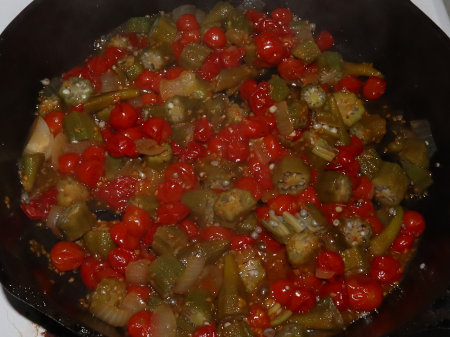
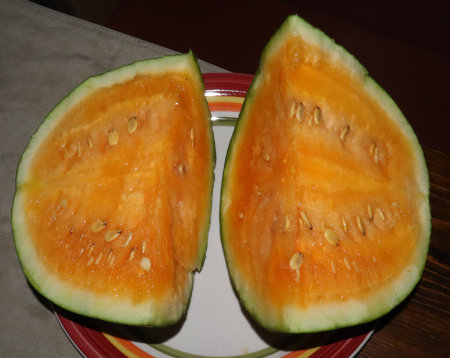
Early October yields (before the frost) were meal size pickings.
|
|
Sauteed okra, onions, and cherry tomatoes
|
|
|
Orange Glo watermelon
|
|
|
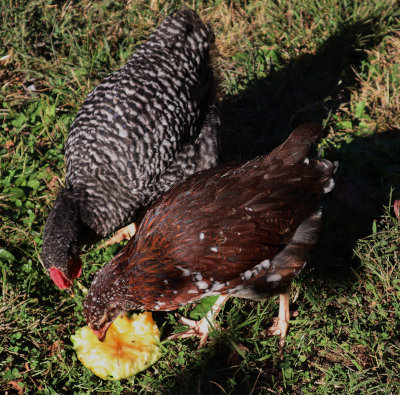
No waste with watermelon. Chickens and goats love the rind.
|
Asian persimmons on the tree
The variety is Ichi-Ki-Kei-Jiro. I chose it because it said to be heat and drought tolerant (which it has been!) It's a fuyu type, which are ready to eat when they turn orange (unlike the kind that are astringent until after frost). This is the first real harvest we've gotten from it. It's about time too, since I
planted it in 2015!
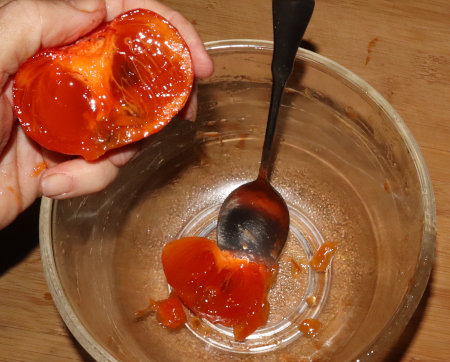 |
| Scooping out the gel and removing the seeds. |

|
|
Persimmon ready for ??? |
|
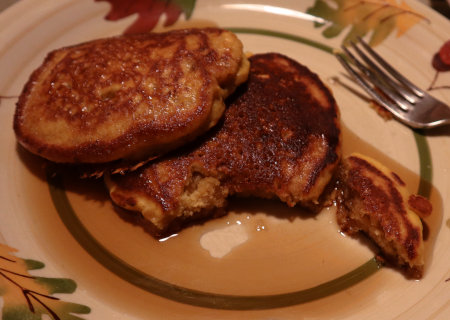
| Persimmon pancakes |
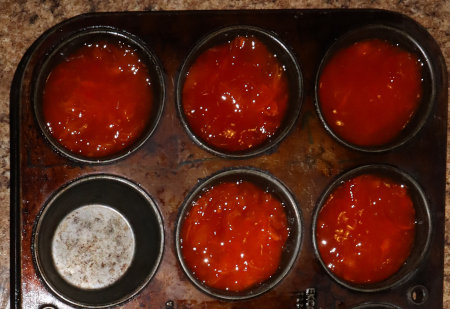 |
| Freezing the extra in muffin pans. |
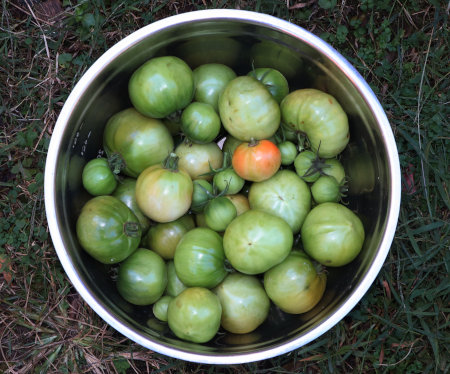
When frost became imminent, we harvested everything that might suffer damage.

|
|
Last of the peppers. These are Giant Marconi.
|
|
|
Last of the green slicing tomatoes
|

|
|
Hugelkultur sweet potato squash
|

|
|
The last of the cushaws.
|
The mature squash have a home in the pantry. They are like pumpkins in terms
of preparation and flavor. The green ones taste like summer squash, and can be
prepared the same way.

|
|
A tender green cushaw seasoned and sauteed in butter.
|
But green winter squash don't keep well. The littlest ones still have tender
seeds, so they were sliced, blanched, and frozen. The larger green squash,
like this one,

|
|
Immature (green) cushaw
|
have large, but immature seeds that are tough.The skin is still tender, so the seeds
were scooped out and the rest of the squash was cubed and canned.

|
|
Canned "green" winter squash. Eat like summer squash. |
|
|
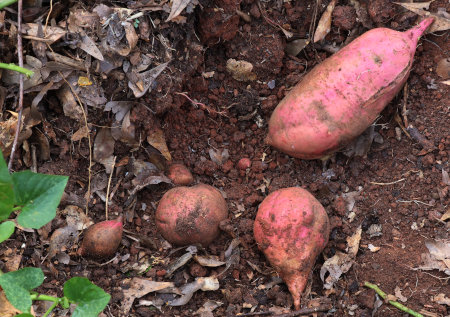
I planted three types of sweet potatoes. These are the Georgia Jets.
|

|
|
Taste testing the sweet potatoes required a sweet potato pie.
|
Overwintering
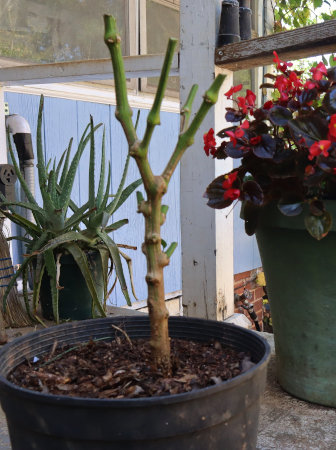
I'm trying something new this year. I found a YouTube video on how to
overwinter pepper plants (
https://youtu.be/x09X87UCZTI). I'm giving it a try.
|
|
Pepper plant pruned, potted, and ready to come in.
|
I only had two pepper plants this year, both purchased as 4-inch potted
plants. This particular plant looked quite poorly most of the summer, and I
kept thinking it was going to die. But the healthier looking plant died instead, and
this one really perked up after a good rain and cooler temperatures. It was
producing well until first frost threatened. So, it became my overwintering
experiment. It would be great to get an early start on our peppers!
Challenges
The problems this time of year aren't so much bugs or disease, but lack of rain
and critters. That includes birds (including naughty chickens), chipmunks, skunks, or
groundhogs. In fact, we found a young groundhog had set up it's winter home in one of the
garden beds! Dan found the hole, and I came face to face with the groundhog chowing down on
a chicory plant. We didn't want it demolishing the garden and we hate to
waste anything, so the groundhog became . . .

|
|
Garden Groundhog Soup
|
Now you know
why I was looking for a recipe for groundhog. My small harvest amounts were perfect for making this soup. I
added peeled tomatoes, onion, green beans,
yam berries, cowpeas, kale, tatume summer squash, and previously canned bone broth.
Our favorite winter lunch is soup, so here are four lunches, ready to heat and eat.
Okay, I think that's it. At the beginning of the month, I didn't expect this to be a very long post. But
first frost changed that!
How about you? Is your garden just ending, or just starting?


